

24 Jul Data-Driven Wellness: Using Health Analytics to Lower Absenteeism
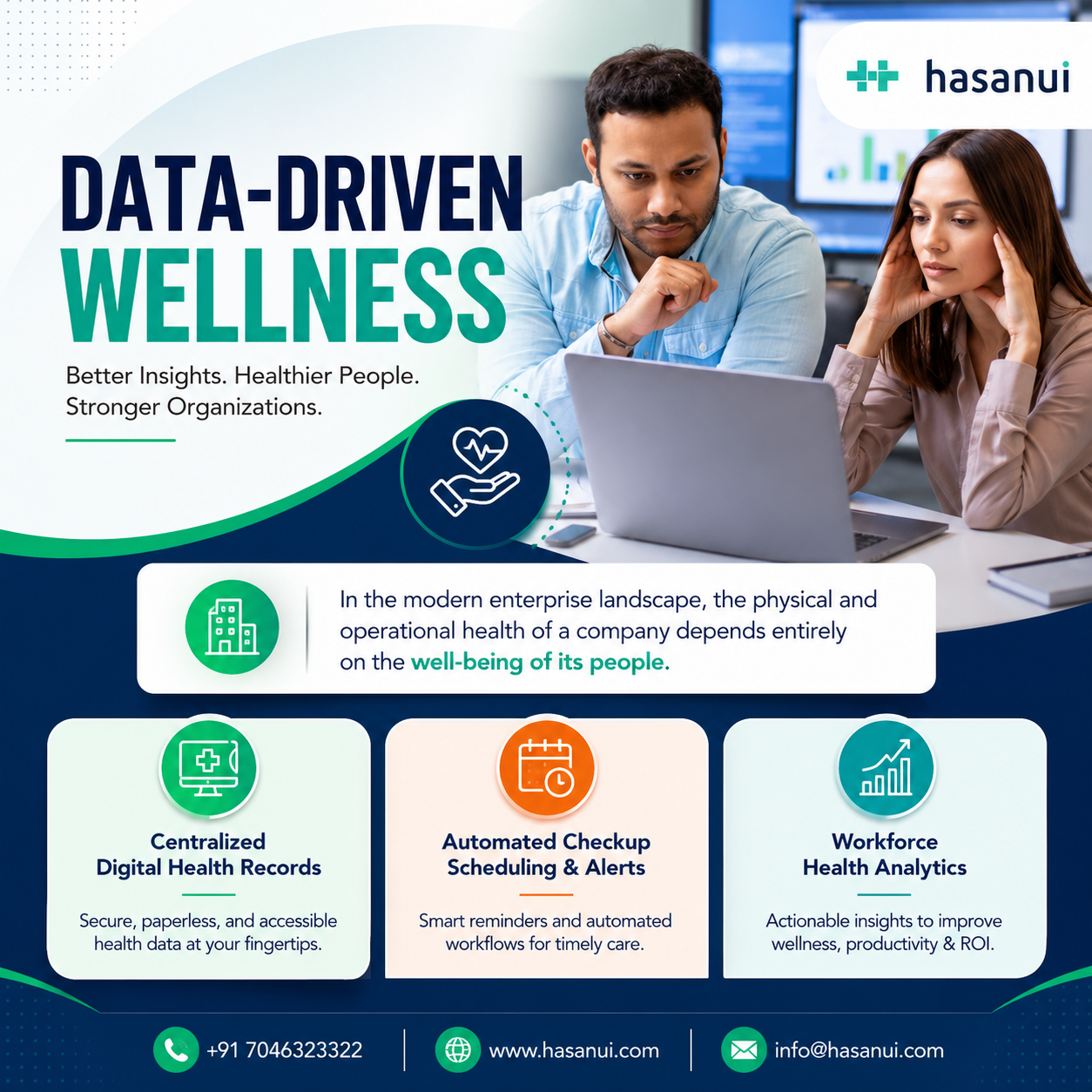
In the modern enterprise landscape, the physical and operational health of a company depends entirely on the well-being of its people. Across manufacturing units, logistics hubs, and corporate offices, managing employee health is no longer a peripheral HR duty—it is a core business strategy. Traditional methods of tracking worker health through physical paper files and disconnected spreadsheets create severe operational blind spots, leaving organizations vulnerable to missed compliance deadlines, delayed medical interventions, and unaddressed health risks.
Transitioning from traditional recordkeeping to a digital occupational health management framework completely transforms how organizations view healthcare. By centralizing employee medical histories—from pre-employment medical examinations to periodic health checkups and vaccination logs—companies create a secure, accessible foundation for workforce wellness. When health records are unified within a single digital ecosystem, medical officers and safety teams can monitor worker health trends in real time rather than discovering issues long after they develop.
Automation plays a critical role in maintaining continuous compliance with statutory labor regulations and factory safety acts. Manually tracking annual medical checkup schedules for hundreds or thousands of workers frequently leads to oversight. Digital health software solves this by automatically scheduling required tests and sending timely reminders to both employees and administrators. This proactive approach ensures that every worker receives their mandatory screenings on time, protecting the workforce while keeping the organization fully prepared for unexpected safety audits.
Beyond basic administrative convenience, modern health management systems turn raw medical checkup data into actionable corporate intelligence. Advanced data analytics allow environmental health and safety leaders to detect patterns across departments, plants, or shift rosters. For instance, early identification of recurring ergonomic strain or localized fatigue enables management to implement preventative measures before those issues manifest as high absenteeism or workplace accidents. This proactive strategy safeguards operational productivity while building a culture of care and trust.
Ultimately, investing in employee health management software is an investment in human capital. When employees see that their health is monitored thoughtfully, efficiently, and with total data privacy, workplace morale rises and retention improves. By adopting software solutions tailored for enterprise scale, such as those provided by Hasanui HealthTech Pvt Ltd, forward-thinking organizations replace reactive recordkeeping with a powerful, proactive strategy that drives long-term success.
Sorry, the comment form is closed at this time.